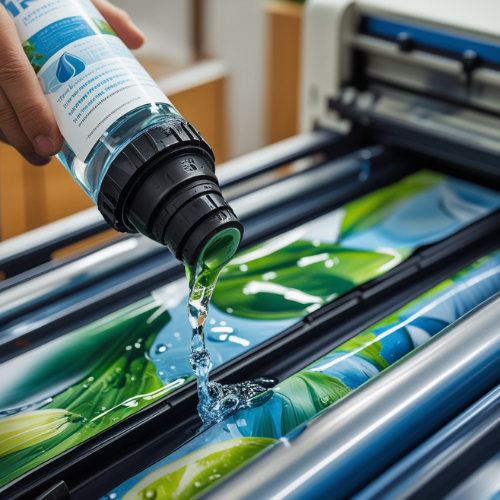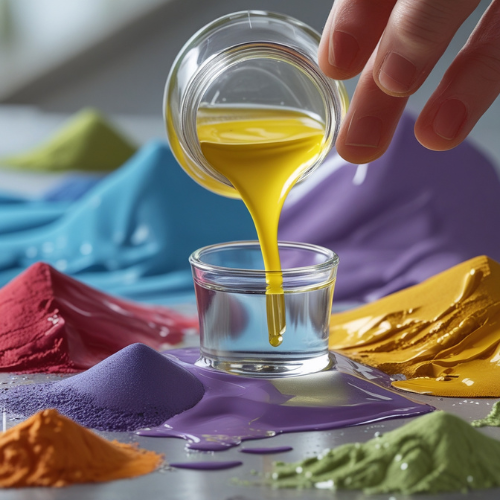
In today’s environmentally conscious world, industries are shifting towards sustainable alternatives, and the printing sector is no exception. Water-based ink has emerged as a game-changer, providing a cleaner and safer printing solution without sacrificing quality.
Unlike traditional solvent-based inks that release volatile organic compounds (VOCs), water-based inks use water as the primary solvent, significantly reducing harmful emissions. This makes them safer for both the environment and the individuals handling them. Additionally, these inks offer exceptional print quality, producing vibrant, long-lasting colors suitable for various applications, including textiles, packaging, and graphic printing.
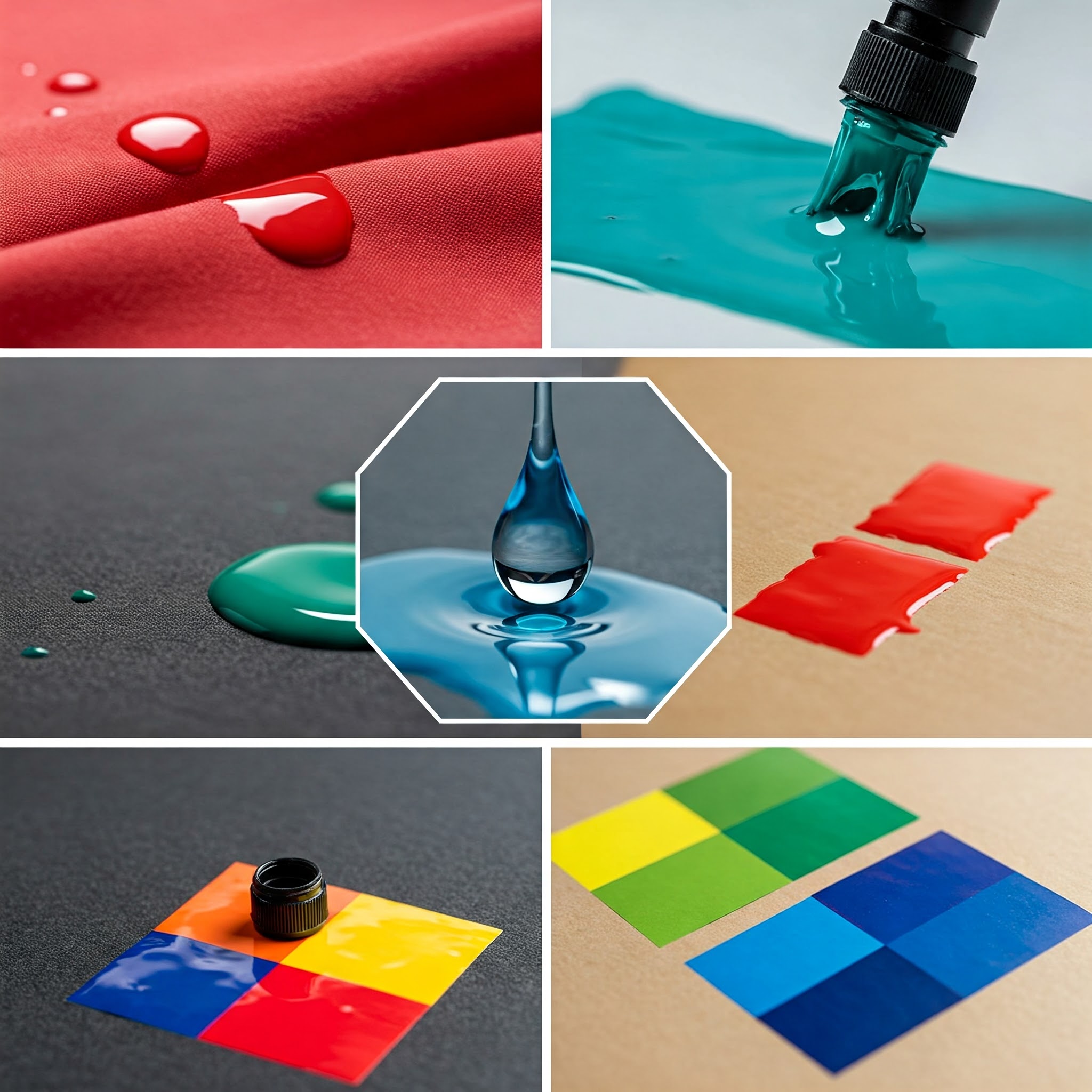
One of the standout advantages of water-based inks is their **eco-friendliness**. With lower levels of hazardous air pollutants (HAPs) and improved biodegradability, they contribute to a healthier planet. Moreover, they adhere well to absorbent surfaces, ensuring high-quality prints with enhanced durability.
However, water-based inks also come with challenges, such as slower drying times and limitations on non-porous surfaces. Manufacturers are actively working on overcoming these obstacles through advanced formulations, improving drying speed and adhesion properties.
As businesses strive for sustainable practices, water-based inks continue to gain traction in the printing industry. The combination of environmental benefits, cost-effectiveness, and continuous technological advancements makes them a promising choice for the future of printing.